The Ultimate DIY Mold Removal Checklist
In this article, you will discover the essential DIY mold removal checklist that will guide you step-by-step in tackling mold issues. We understand that dealing with mold can be a daunting task, but fear not! With this comprehensive checklist, you will gain the knowledge and confidence to successfully remove mold from your home on your own. From gathering the necessary supplies to implementing effective cleaning techniques, this ultimate guide has got you covered. Say goodbye to mold and hello to a healthier living environment!
The Ultimate DIY Mold Removal Checklist
Mold can be a frustrating and potentially harmful problem in any home. Whether you're dealing with a small patch of mold or a larger infestation, it's important to address the issue promptly and effectively. With the right tools, knowledge, and preparation, you can successfully remove mold from your home and prevent it from returning. This comprehensive DIY mold removal checklist will guide you through each step of the process, ensuring a safe and thorough mold remediation.
Preparation
Gather necessary tools and supplies
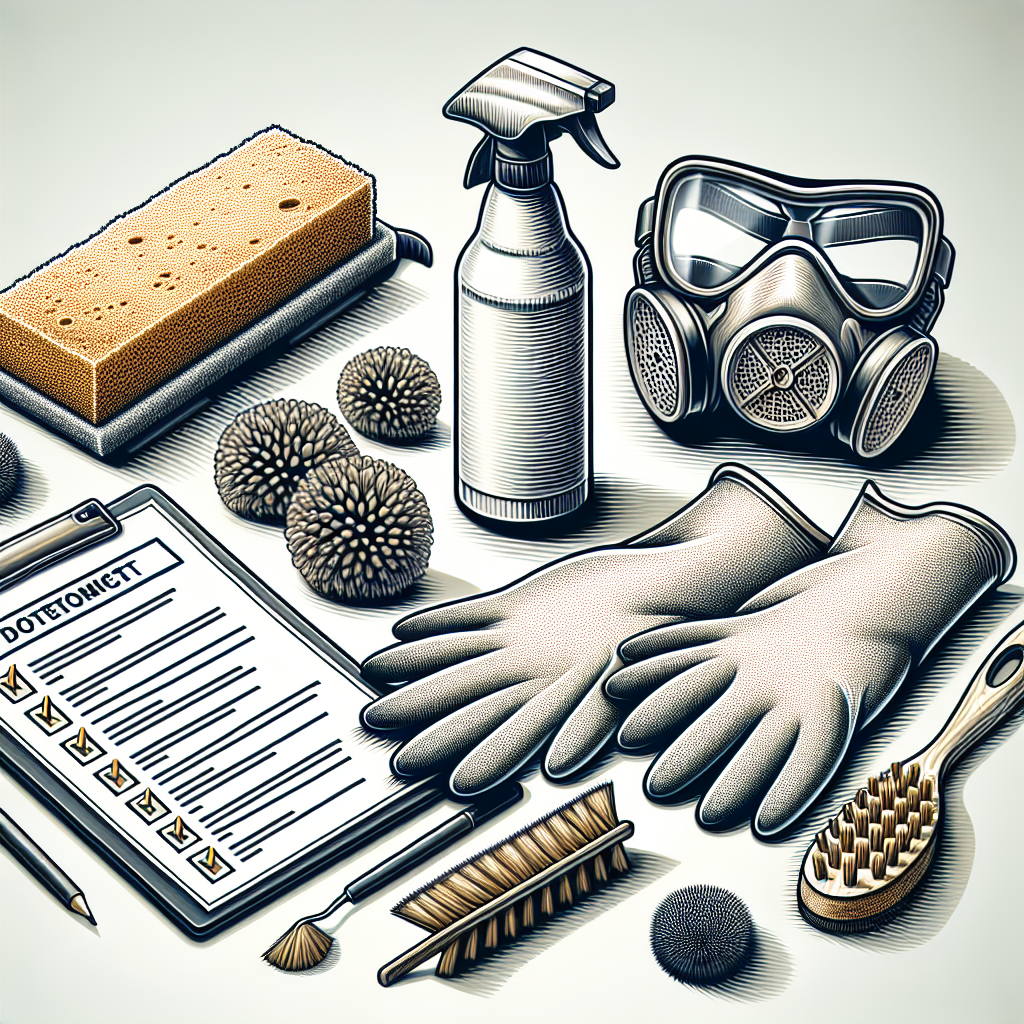
Before you begin tackling the mold, it's essential to gather all the tools and supplies you'll need for the job. This includes protective gear such as gloves, goggles, and a face mask to ensure your safety. Additionally, you'll need cleaning solutions, scrub brushes, plastic sheets, and trash bags for the disposal of mold-infested materials.
Dress appropriately for safety
When dealing with mold, it's crucial to dress in appropriate clothing that covers your body and protects your skin. Long-sleeved shirts, pants, and closed-toe shoes are recommended to minimize exposure to mold spores. Avoid wearing clothes that may easily absorb mold or fabrics that are difficult to clean effectively.
Prepare the affected area
Preparation is key to ensure a smooth and efficient mold removal process. Before you begin, clear the area of any furniture, rugs, or personal belongings. This will help prevent cross-contamination and make it easier to access all affected surfaces. It's also advisable to open windows and doors to improve ventilation during the remediation process.
Assessment
Identify the type and extent of mold growth
Before diving into the removal process, it's essential to assess the type and extent of mold growth in your home. Different types of mold may require different removal techniques and precautions. Take note of the color, texture, and location of the mold to determine the best course of action.
Evaluate the cause of mold growth
Understanding the root cause of mold growth is vital to prevent it from recurring in the future. Mold typically thrives in areas with excessive moisture or high humidity levels. Inspect your home for any water leaks, condensation, or areas of poor ventilation that may be contributing to the mold growth. Addressing these issues will help prevent future mold problems.
Determine if professional help is needed
While many cases of mold can be effectively handled with DIY methods, there may be instances where professional assistance is necessary. If the mold growth covers a significant area, if it's caused by contaminated water sources, or if you have underlying health conditions, it's advisable to consult a professional mold removal service. They have the expertise and equipment to handle larger-scale mold remediation projects safely.
.png)
Containmen
Isolate the affected area
To prevent mold spores from spreading to unaffected areas of your home, it's crucial to isolate the affected area. Close any doors leading to adjacent rooms and consider covering doorways with plastic sheeting and securing it with painter's tape. Creating a containment barrier will minimize the risk of cross-contamination during the removal process.
Seal off vents and openings
Mold spores can easily travel through air ducts and vents, allowing the mold to spread throughout your home. To prevent this, seal off all vents, windows, and any other openings that could potentially allow the mold spores to escape. Use plastic sheeting and tape to create a tight seal and ensure no cross-contamination occurs.
Cover floors and furniture with plastic sheets
During the mold removal process, it's essential to protect your floors and furniture from any potential damage or contamination. Lay down plastic sheets over the floors and cover any furniture in the affected area. This will help contain any mold spores or debris that may be released while removing the mold-infested materials.
Safety Precautions
Wear protective gear
Protecting yourself from exposure to mold spores and cleaning chemicals is of utmost importance during the removal process. Wear disposable gloves, goggles, and a respirator mask or an N-95 mask to safeguard your health. This will minimize the risk of respiratory issues or skin irritation caused by mold spores or cleaning solutions.
Use respiratory protection
Mold spores can easily be inhaled into the lungs, leading to various respiratory problems. To minimize the risk, consider using respiratory protection such as an N-95 mask. These masks are designed to filter out tiny particles, including mold spores, providing an additional layer of defense against respiratory issues.
Ensure proper ventilation
Proper ventilation is essential during mold removal to minimize the concentration of mold spores in the air. Open windows and doors to increase airflow, and consider using fans or dehumidifiers to aid in drying the affected area. Fresh air circulation will help reduce the potential health risks associated with mold exposure.
.png)
Removal Techniques
Remove mold-infested materials
For effective mold removal, it's important to remove any materials that are heavily infested with mold. This may include drywall, carpeting, insulation, or other porous materials. Carefully bag and seal these materials in plastic bags to prevent further contamination and dispose of them properly.
Scrub visible mold with a detergent solution
For non-porous surfaces, scrubbing visible mold with a detergent solution can be an effective method of removal. Use a mixture of water and mild dish soap or a commercial mold cleaner to clean the affected surfaces. Scrub gently with a brush or sponge to remove all visible mold and rinse thoroughly.
Use a HEPA vacuum for mold spores
To remove loose mold spores from surfaces and the air, use a HEPA (High-Efficiency Particulate Air) vacuum cleaner. These vacuums are specifically designed to capture tiny particles like mold spores, preventing them from being released back into the air. Vacuum all affected surfaces and surrounding areas to ensure thorough mold removal.
Disposal
Seal mold-infested materials in plastic bags
Proper containment and disposal of mold-infested materials are essential to prevent the spread of mold spores. Double-bag any materials you have removed during the mold removal process using heavy-duty plastic bags. Seal the bags tightly to prevent any mold spores or debris from escaping.
Dispose of materials properly
Dispose of mold-infested materials following the guidelines provided by your local waste management authorities. Some areas may require specific procedures for disposing of mold-contaminated materials. Contact your local municipality or waste disposal facility for instructions on proper disposal methods.
Clean and disinfect tools used for removal
After completing the removal process, it's important to clean and disinfect any tools or equipment used during the remediation. Scrub brushes, sponges, and other non-disposable items should be thoroughly cleaned with a detergent solution or a commercial disinfectant. This will prevent the potential spread of mold spores to other areas of your home.
.png)
Decontamination
Clean the affected area thoroughly
After removing the mold and disposing of contaminated materials, thoroughly clean the affected area to remove any remaining traces of mold and spores. Use a cleaning solution, such as a mixture of water and vinegar, or a commercial mold cleaner. Scrub all surfaces, including walls, floors, and fixtures, and rinse well with clean water.
Apply a mold inhibitor or a fungicide solution
To prevent future mold growth, consider applying a mold inhibitor or a fungicide solution to the cleaned surfaces. These products can help inhibit the growth of mold spores and prevent the growth of new colonies. Follow the manufacturer's instructions for proper application and ensure the area is completely dry before applying.
Dry the area completely
After cleaning and applying a mold inhibitor, ensure the area is thoroughly dried. Use fans, dehumidifiers, or natural airflow to speed up the drying process. Moisture is a prime breeding ground for mold, so eliminating excess moisture is crucial to prevent future growth.
Prevention
Address the underlying cause of moisture
To prevent mold from returning, it's essential to address the underlying cause of moisture. Inspect your home for any leaks, plumbing issues, or areas of excessive condensation. Repair any leaks promptly, fix faulty plumbing, and consider installing proper ventilation systems in areas prone to moisture, such as bathrooms and kitchens.
Repair leaks and improve ventilation
Addressing any leaks and improving ventilation can significantly reduce the risk of mold growth. Repair any leaks in your roof, windows, or pipes, and ensure proper drainage around your home's foundation. Additionally, improve ventilation in areas such as bathrooms, kitchens, and basements by installing exhaust fans or opening windows when possible.
Maintain indoor humidity levels below 50%
Mold thrives in environments with high humidity levels. To prevent the growth of mold, maintain indoor humidity levels below 50%. Use dehumidifiers in damp areas of your home, such as basements or crawl spaces, and regularly empty and clean the dehumidifier to prevent mold growth within the device.
Post-Remediation Verification
Check for any remaining mold growth
Once you've completed the mold removal process, conduct a thorough inspection to ensure there is no remaining mold growth. Carefully examine all surfaces in the affected area, paying close attention to corners, hidden spaces, and areas that were previously covered by mold-infested materials. If you notice any signs of mold, address it promptly.
Consider hiring a professional for a final inspection
For added peace of mind, you may consider hiring a professional mold inspection service to perform a final inspection of your home. They have the expertise and equipment to detect hidden mold growth and ensure that all necessary steps have been taken to remediate the problem effectively. A professional inspection will provide reassurance that your home is mold-free.
Monitor the area for future mold growth
Even after successfully removing mold from your home, it's important to monitor the area for any signs of future mold growth. Regularly inspect surfaces, particularly those prone to moisture or high humidity, and address any issues promptly. Keeping a watchful eye will help prevent small mold problems from turning into larger infestations.
Health and Safety Considerations
Understand potential health risks
While mold removal is important for maintaining a safe and healthy home, it's crucial to understand the potential health risks associated with mold exposure. Mold can cause allergic reactions, respiratory issues, and even more severe health problems in individuals with compromised immune systems. If you experience persistent health symptoms, such as coughing, wheezing, or skin irritation, it's important to seek medical attention.
Properly manage mold-infested materials
To minimize the risk of further contamination, it's essential to properly manage mold-infested materials. Seal them in plastic bags and dispose of them promptly following the guidelines provided by your local waste management authorities. Avoid carrying mold-infested materials through unaffected areas of your home to prevent cross-contamination.
Seek medical attention if experiencing health symptoms
If you or any members of your household experience persistent health symptoms that you suspect may be related to mold exposure, it's crucial to seek medical attention. A healthcare professional can evaluate your symptoms, provide appropriate treatment, and offer guidance on how to address any potential mold-related health concerns.
By following this comprehensive DIY mold removal checklist, you can effectively tackle mold growth in your home, protect your health, and prevent future infestations. Remember, if the mold problem is extensive or you have concerns about your ability to safely handle the removal process, it's always best to consult a professional mold remediation service. With proper preparation, assessment, and execution, you'll be able to breathe easy in a mold-free environment.


Comments
Post a Comment