How to Get Rid of Mold Smell: Proven Tips for a Fresher, Cleaner Home
Do you have a persistent mold smell in your home that just won't seem to go away? It can be frustrating and even embarrassing, but fear not! In this article, you'll discover effective tips and tricks on how to eliminate that pesky mold smell once and for all. Say goodbye to unpleasant odors and hello to a fresh and clean living environment. Get ready to bid farewell to that lingering musty scent and regain the peace and comfort you deserve in your home. Let's dive in and learn how to get rid of mold smell and breathe easy again.
Identifying the Source of Mold Smell
Inspecting the affected area
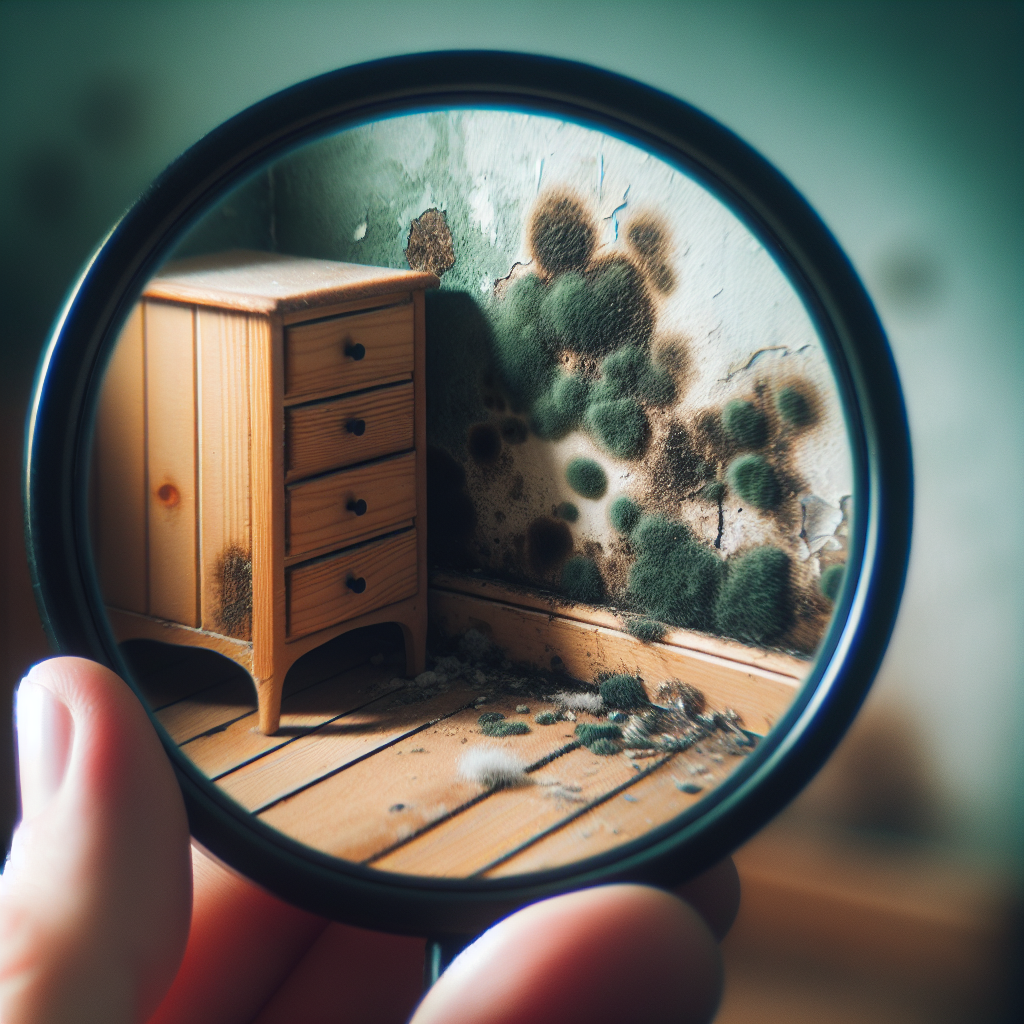
When trying to get rid of mold smell, the first step is to inspect the affected area thoroughly. Look for any visible signs of mold, such as black or green patches on walls, ceilings, or floors. Pay close attention to areas that are often damp or prone to moisture, such as bathrooms, kitchens, and basements. Mold can also hide behind furniture or wallpaper, so it's important to check these areas as well. By visually inspecting the affected area, you can start to get an idea of where the mold smell is coming from.
Checking for water leaks or moisture
One of the main reasons for the presence of mold is excessive moisture. Therefore, it is essential to identify any water leaks or areas with high humidity that could be contributing to the mold smell. Check for leaky pipes, dripping faucets, or condensation on windows or walls. Areas with poor ventilation can also lead to moisture buildup and create a perfect breeding ground for mold. By addressing these moisture issues, you can effectively eliminate the source of mold smell.
Identifying the type of mold
Not all molds are the same, and some can be more harmful than others. While identifying the exact type of mold requires professional testing, you can still get a general idea by examining its appearance and the smell it emits. Musty and earthy odors are typical of mold, but different types of mold can have distinct smells. For example, black mold often has a strong and unpleasant odor. Knowing the type of mold can help you take appropriate measures to remove the mold smell and eliminate potential health risks.
Preventing Mold Growth and Smell
Controlling humidity levels
One of the key steps in preventing mold growth and smell is to control humidity levels in your home. Moisture levels above 60% create an ideal environment for mold to thrive. To keep humidity in check, consider using a dehumidifier in areas prone to moisture, such as basements or bathrooms. Additionally, make sure your home is well-ventilated to allow air circulation, which helps to reduce humidity and prevent mold growth.
Proper ventilation
Proper ventilation is essential in preventing mold growth and reducing mold smell. Ensure that your home has adequate ventilation in areas where moisture is common, such as kitchens and bathrooms. Use exhaust fans or open windows to remove excess moisture and allow fresh air to circulate. If necessary, consider installing ventilation systems to improve airflow and minimize the chances of mold developing.
Repairing any leaks or water damage
Water leaks or water damage in your home provide a perfect environment for mold growth. Inspect your plumbing system regularly and address any leaks promptly. Repair damaged roofs, windows, or walls to prevent water infiltration. By taking immediate action, you can prevent the growth of mold and the accompanying musty smell.
Regularly cleaning and drying surfaces
Regular cleaning and drying of surfaces are essential in preventing mold growth and eliminating mold smell. Dust, dirt, and organic matter can provide a food source for mold, so it's important to keep surfaces clean. Use a damp cloth or a mild cleaning solution to wipe down surfaces and remove any visible mold or spores. After cleaning, ensure that all surfaces are properly dried to prevent moisture buildup.
Using mold-resistant materials
When renovating or building a new home, consider using mold-resistant materials to prevent mold growth and reduce the risk of mold smell. Look for paints, drywall, or construction materials that have been specifically designed to resist moisture and mold. These materials can be highly effective in creating a mold-free environment and eliminating the need for frequent mold remediation.
Natural Methods to Remove Mold Smell
Baking soda
Baking soda, also known as sodium bicarbonate, is a versatile natural remedy that can be used to eliminate mold smell. Simply sprinkle baking soda on the affected areas and let it sit for several hours or overnight. Baking soda works by absorbing moisture and neutralizing odors. Afterward, vacuum or wipe away the baking soda and enjoy a fresher smelling space.
Vinegar
Vinegar is another natural ingredient that is effective in removing mold smell. Mix equal parts of white vinegar and water in a spray bottle and spray it directly on the affected areas. Let it sit for a few hours, then scrub the area with a brush or sponge. Vinegar has antimicrobial properties that can kill mold spores and eliminate the accompanying smell. However, be aware that the strong smell of vinegar may linger for a short period before dissipating.
Activated charcoal
Activated charcoal is a powerful natural odor absorber. Its porous structure allows it to trap and eliminate odors, including mold smell. Place activated charcoal in small bowls or sachets and distribute them in areas with mold smell. Leave them for a few days, and the charcoal will effectively absorb the unpleasant odors. Remember to replace the charcoal regularly to maintain its odor-absorbing properties.
Citrus fruits
Citrus fruits such as lemons, oranges, and grapefruits not only have a refreshing scent but also contain natural compounds that can help eliminate mold smell. Squeeze the juice of citrus fruits and mix it with water in a spray bottle. Spray the mixture on the affected areas and let it sit for a few hours before wiping it down. The citrus scent will help neutralize the mold smell, leaving behind a fresh and clean aroma.
Tea tree oil
Tea tree oil is well-known for its antifungal and antibacterial properties, making it an effective natural remedy for eliminating mold smell. Dilute tea tree oil with water and spray it on the affected areas. Allow it to dry naturally, and the powerful properties of tea tree oil will help kill mold spores and deodorize the space. However, it's important to note that tea tree oil has a strong scent, so use it sparingly to avoid overwhelming the room with its fragrance.
Commercial Mold Removal Products
Mold-specific cleaners
Commercial mold-specific cleaners are readily available and designed to effectively remove mold and mold smell. These cleaners often contain ingredients such as bleach or hydrogen peroxide, which have powerful disinfecting properties. Follow the instructions on the product carefully, as some cleaners may require dilution or specific application methods. Use protective gear, such as gloves and a mask, when using these products to minimize exposure to potentially harmful chemicals.
Deodorizers and air fresheners
Deodorizers and air fresheners can help mask the mold smell temporarily, but they do not address the underlying issue of mold growth. Choose products that are specifically designed to neutralize odors rather than simply covering them up. Look for deodorizers or air fresheners that contain natural ingredients or consider using odor-absorbing products, such as activated charcoal or baking soda, to effectively eliminate the mold smell.
Fogging machines or Ozone generators
For severe cases of mold smell, fogging machines or ozone generators can be effective tools in removing the odor. These machines release a fine mist or ozone into the air, which penetrates into cracks and crevices, effectively neutralizing the mold smell. However, it's important to note that these machines should be used with caution and in accordance with the manufacturer's instructions. Consider consulting a professional to determine the most appropriate and safe method for using these machines in your specific situation.
Deep Cleaning and Removal of Mold Smell
Cleaning affected surfaces
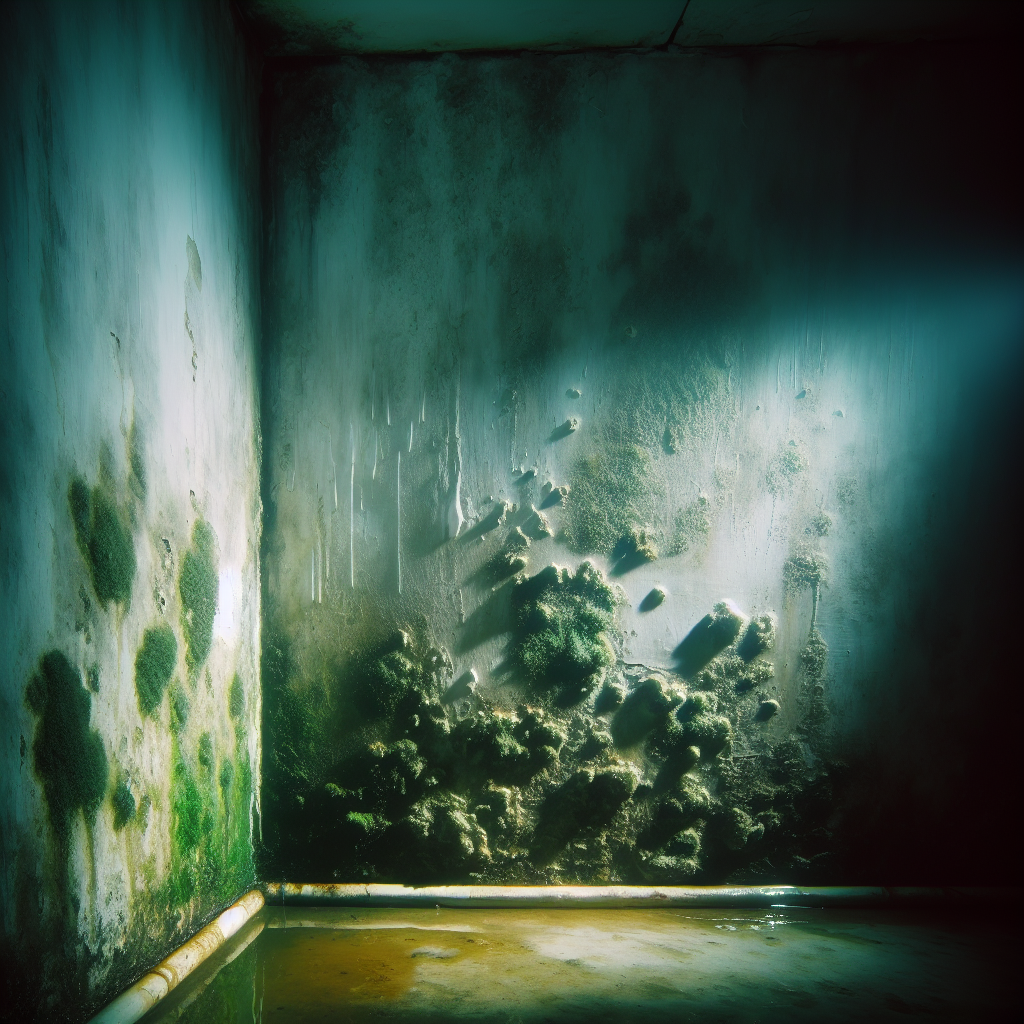
When dealing with mold smell, it's crucial to thoroughly clean the affected surfaces. Use a scrub brush or sponge and a mold-specific cleaner or a mixture of water and detergent to scrub away any visible mold or mildew. Pay close attention to hard-to-reach areas and porous materials that may harbor mold spores. After cleaning, rinse the surfaces with clean water and dry them thoroughly to prevent further moisture buildup.
Removing moldy materials
In cases where mold smell persists or the mold is deeply embedded, it may be necessary to remove moldy materials entirely. These materials may include carpets, wallpaper, drywall, or insulation. Removing and replacing moldy materials not only eliminates the source of the mold smell but also helps prevent the spread of mold spores to other areas of your home. If you're uncertain about removing moldy materials, it's best to consult a professional mold remediation service for safe and thorough removal.
Hiring professional mold remediation services
When the mold smell is persistent or the mold growth is extensive, it's advisable to seek the assistance of professional mold remediation services. These professionals have the expertise and specialized equipment to effectively remove mold and eliminate the accompanying odor. They can conduct thorough inspections, identify hidden mold sources, and provide comprehensive solutions tailored to your specific situation. Hiring professional services ensures that mold is safely and effectively removed, minimizing the risk of exposure and protecting your home and health.
Precautions and Safety Measures
Protective clothing and gear
When dealing with mold, it's crucial to prioritize safety and protect yourself from potential health risks. Wear appropriate protective clothing, including gloves, goggles, and a mask, to minimize direct contact with mold spores. This protective gear helps prevent skin irritation, eye irritation, and respiratory issues associated with mold exposure. Remember to properly dispose of any contaminated clothing or gear after use to avoid cross-contamination.
Properly ventilating the area
Proper ventilation is essential when dealing with mold. Before starting any cleaning or remediation efforts, ensure that the area is well-ventilated. Open windows, use exhaust fans, or deploy portable fans to improve air circulation. Ventilating the area helps prevent the buildup of mold spores and reduces the concentration of mold smell. If the mold-affected area is not easily ventilated, consider using a portable air purifier with a HEPA filter to help remove mold spores from the air.
Avoiding direct contact with mold
Direct contact with mold can have adverse health effects, so it's important to minimize your exposure. Avoid touching or disturbing moldy surfaces without protective gear. When cleaning, use appropriate cleaning tools and avoid using high-pressure water or air that can stir up mold spores. By taking these precautions, you can significantly reduce the risk of mold spores dispersing into the air and potentially causing respiratory issues or allergic reactions.
Consulting a professional if necessary
If you're unsure or uncomfortable with handling mold or if the mold smell persists despite your efforts, it's best to consult a professional for assistance. Mold remediation professionals have the knowledge, experience, and tools to properly assess and address mold issues. They can provide expert advice, conduct thorough inspections, and offer effective solutions tailored to your specific situation. Consulting a professional ensures that the mold smell is effectively resolved and that potential health risks are mitigated.
Maintaining a Mold-Free Environment
Regular cleaning and inspection
Regular cleaning and inspection are essential in maintaining a mold-free environment. Make cleaning a part of your routine and ensure that all surfaces, particularly those prone to moisture, are kept clean and dry. Regularly inspect your home for any signs of water leaks, moisture buildup, or mold growth. By identifying and addressing issues promptly, you can prevent the development of mold smell and maintain a healthy living environment.
Proper storage and organization
Proper storage and organization can play a significant role in mold prevention. Avoid clutter and ensure that items are stored in a well-ventilated and dry manner. Moisture can accumulate in cluttered areas, creating an environment conducive to mold growth. Additionally, ensure that stored items are regularly inspected for signs of mold or mildew. By maintaining proper storage and organization practices, you can minimize the chances of mold developing and spreading its unpleasant smell.
Promptly addressing any moisture issues
Moisture is a primary contributor to mold growth and mold smell. Therefore, it's important to promptly address any moisture issues in your home. Fix leaky pipes, repair damaged roofs or windows, and address any areas with excessive condensation. Wipe away any spills or leaks immediately and ensure that all surfaces are properly dried. By taking swift action to reduce moisture, you can prevent mold growth and eliminate the potential for mold smell.
Regularly checking for mold growth
It's crucial to be proactive in preventing mold growth by regularly checking for any signs of mold. Perform visual inspections in areas prone to moisture, such as bathrooms and kitchens. Look for any discoloration, musty odors, or visible mold. If you notice any signs of mold growth, take immediate action to address the issue and prevent further spread. By being vigilant and proactive, you can maintain a mold-free environment and enjoy clean and fresh-smelling surroundings.
Common Mistakes to Avoid
Ignoring mold smell
One of the most common mistakes people make is ignoring or underestimating the significance of mold smell. While it may seem like a minor inconvenience, mold smell indicates the presence of mold and potential health risks. Ignoring the smell can lead to further mold growth, increased health risks, and costly remediation. It's important to address mold smell promptly to prevent it from becoming a larger and more challenging issue.
Using ineffective methods
When trying to eliminate mold smell, it's essential to use effective methods and products. Using ineffective methods or products may temporarily mask the odor but fail to address the underlying mold problem. Avoid relying solely on air fresheners or deodorizers without addressing the root cause. Instead, use proven techniques such as cleaning with mold-specific cleaners or natural remedies that actively combat mold growth and eliminate the accompanying smell.
Not addressing underlying causes
To truly eliminate mold smell, it's crucial to address the underlying causes of mold growth. Simply removing the smell without identifying and rectifying the source of the mold will result in recurring odors and potential health risks. Identify and address any water leaks, moisture issues, or poor ventilation that contribute to mold growth. By focusing on the root cause, you can effectively eliminate mold smell and prevent its recurrence.
Failing to wear protective gear
Protective gear is essential when dealing with mold to minimize the risk of exposure to mold spores and potentially harmful chemicals. Failing to wear gloves, goggles, or a mask puts you at a higher risk of experiencing health issues related to mold exposure. Always prioritize your safety by wearing appropriate protective gear to prevent skin irritation, eye irritation, or respiratory problems. Remember that prevention is key when it comes to mold-related health risks.
Dealing with Persistent Mold Smell
Identifying hidden mold sources
Sometimes, mold smell persists even after following proper mold remediation techniques. This could be an indication of hidden mold sources that were not initially identified. Hidden mold can be present in wall cavities, under flooring, or behind wallpaper. To deal with persistent mold smell, it's crucial to conduct a thorough inspection of your home, including areas that are not easily visible. Identifying hidden mold sources allows you to target the root cause and effectively eliminate the lingering smell.
Seeking professional assistance
Persistent mold smell may require the expertise of professional mold remediation specialists. These professionals have the knowledge, experience, and specialized equipment to identify hidden mold sources and address them effectively. If you've tried various methods without success or if you're concerned about potential health risks, it's best to consult a professional for a comprehensive assessment and appropriate remediation measures. Their expertise ensures that persistent mold smell is resolved, minimizing any health hazards associated with prolonged exposure.
Using advanced remediation techniques
If traditional mold removal methods have failed to eliminate the mold smell, advanced remediation techniques may be required. These techniques involve specialized equipment and procedures that are capable of removing mold and its odor from even the most stubborn areas. Advanced techniques may include thermal fogging, which uses a heated fog to penetrate materials and neutralize the odor, or dry ice blasting, which uses pressurized dry ice to remove mold and its smell. These techniques should be conducted by professionals trained in their proper application.
Conclusion and Final Tips
The importance of addressing mold smell
Addressing mold smell is crucial not only for eliminating unpleasant odors but also for protecting your health and preventing further mold growth. Mold smell is an indication of mold presence, which can lead to respiratory issues, allergies, and other health problems. By taking prompt and appropriate action to remove the mold smell, you can create a healthier and more enjoyable living environment for yourself and your loved ones.
Regular maintenance for mold prevention
Regular maintenance is key to preventing mold growth and smell. Keep your home clean, dry, and well-ventilated to create an environment that is inhospitable to mold. Promptly address any moisture issues or signs of mold growth to prevent further problems. By incorporating regular maintenance into your routine, you can minimize the risk of mold smell and maintain a mold-free environment.
Health risks associated with mold exposure
It's important to be aware of the health risks associated with mold exposure. Prolonged exposure to mold spores can cause respiratory issues, allergies, asthma, and other health problems. Children, the elderly, and individuals with weakened immune systems are particularly susceptible to these health risks. By effectively eliminating mold smell and implementing preventative measures, you can safeguard the well-being of yourself and your loved ones.
In conclusion, getting rid of mold smell requires a systematic approach that includes identifying the source of the smell, preventing mold growth, and utilizing natural or commercial products for removal. Regular cleaning and maintenance, proper ventilation, and addressing moisture issues are crucial in preventing mold growth and minimizing the chances of mold smell. Using natural remedies like baking soda, vinegar, activated charcoal, citrus fruits, or tea tree oil can be effective in eliminating mold smell. If the mold smell persists or if the mold growth is extensive, professional mold remediation services may be necessary. It's important to take necessary precautions and wear protective gear when dealing with mold. Maintaining a mold-free environment requires regular inspection, prompt attention to moisture issues, and proper storage and organization. Lastly, it's vital to address mold smell promptly and effectively, as mold exposure poses significant health risks. By following these guidelines and tips, you can successfully eliminate mold smell and create a clean and healthy living environment for yourself and your family.


Comments
Post a Comment