Effective Ways to Remove Mold from Window Sills
If you've noticed unsightly mold starting to creep its way onto your window sills, fear not! This article is here to provide you with some effective methods to combat this pesky problem. Mold not only looks unpleasant but can also pose health risks if left unaddressed. Luckily, with a few simple tips and tricks, you can say goodbye to mold and hello to clean and fresh window sills in no time. So, let's roll up our sleeves and get ready to tackle this issue together!
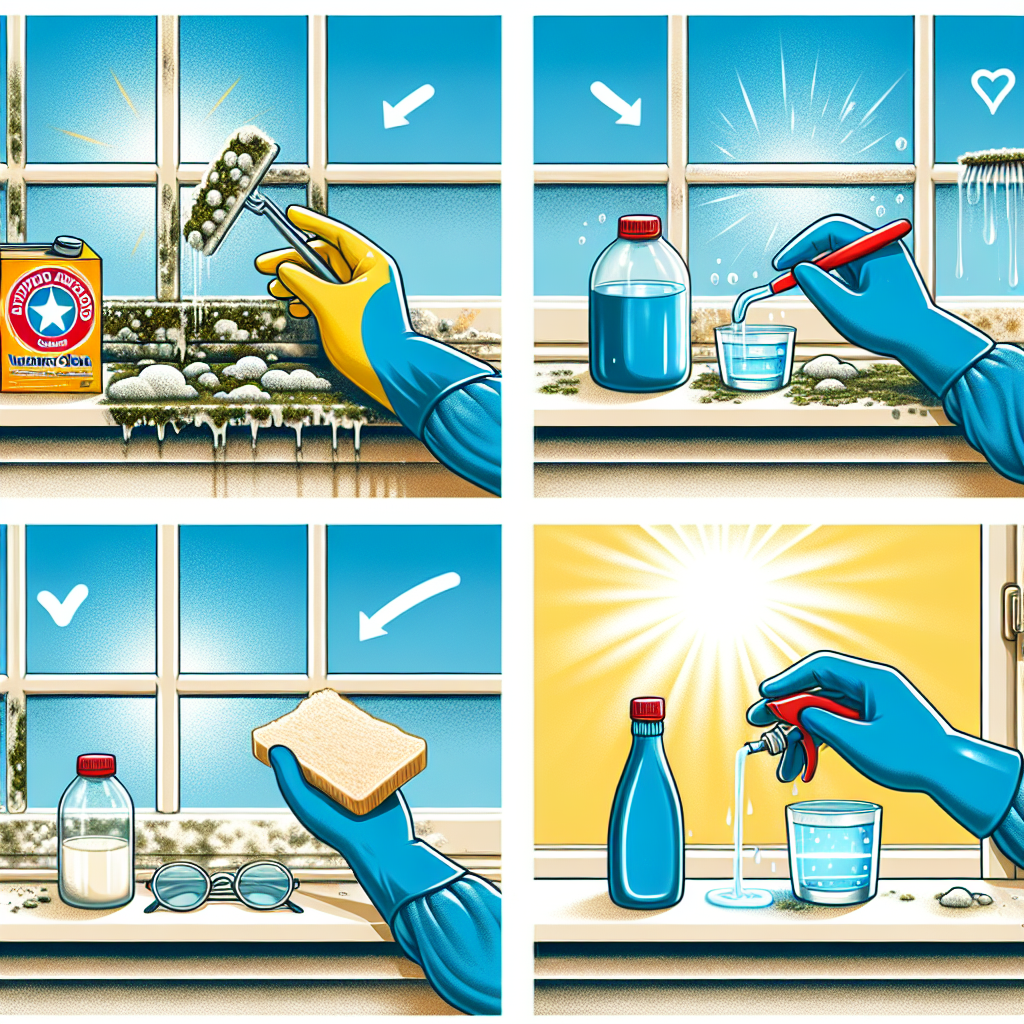
Identify the Cause of Mold
To effectively remove mold from window sills, it's important to first identify the cause of the mold growth. Mold thrives in moist environments, so checking for sources of moisture is crucial. Inspect the area for any leaks or condensation that may be contributing to the mold growth. Additionally, poor ventilation can lead to increased moisture levels and mold growth. By addressing these underlying issues, you can prevent future mold growth and ensure a healthier living space.
Check for sources of moisture
Start by examining the surroundings of your window sills to identify any potential sources of moisture. Look for water stains, damp areas, or signs of leaks. Pay close attention to nearby plumbing fixtures, such as sinks or toilets, as well as any pipes that may run along the wall near the window area. By addressing these moisture sources, you can minimize the risk of mold growth.
Inspect for leaks or condensation
Leaks and condensation are common culprits for mold growth on window sills. Inspect the window frames, seals, and caulking for any signs of damage or deterioration that may allow water to seep in. Additionally, check the inside of the window sills for condensation buildup. If you notice excessive condensation, it may be a sign of poor insulation or ventilation, which can contribute to mold growth.
Check for poor ventilation
Inadequate ventilation can trap moisture and create an ideal environment for mold to thrive. Assess the ventilation in the room by checking for functioning vents, fans, or windows that allow for proper airflow. If necessary, consider installing additional ventilation systems to improve air circulation and reduce moisture buildup.
Safety Precautions
Before beginning the mold removal process, it's important to prioritize your safety. Mold can release harmful spores, so taking proper precautions is essential to minimize your exposure and prevent any potential health risks.
Wear protective gear
When dealing with mold, it's crucial to wear personal protective equipment (PPE) to protect yourself. This typically includes gloves, goggles, and a respirator mask. The PPE will shield you from direct contact with the mold and prevent you from inhaling any airborne spores.
Ensure proper ventilation
To avoid the buildup of mold spores during the cleaning process, ensure proper ventilation in the area. Open windows and doors, and use fans or exhaust systems to circulate fresh air and remove any airborne contaminants.
Use mildew-resistant paint
After completing the mold removal process, consider applying mildew-resistant paint to your window sills. This type of paint contains additives that inhibit mold growth and can help prevent future infestations. Consult with a professional at your local hardware store for the best options available.
Materials Needed
To effectively remove mold from your window sills, gather the necessary materials beforehand. Having these items readily available will make the process smoother and more efficient.
Personal protective equipment (PPE)
As mentioned earlier, it is crucial to wear protective gear such as gloves, goggles, and a respirator mask to protect yourself during the mold removal process.
Bleach or vinegar
Bleach and vinegar are two common household items that can effectively kill and remove mold. Choose whichever option you prefer or have readily available.
Non-ammonia-based cleaner
If you prefer not to use bleach or vinegar, there are several non-ammonia-based cleaners specifically formulated for mold removal. These cleaners are effective and typically safer to use in enclosed spaces.
Scrub brush or sponge
A scrub brush or sponge is necessary for physically removing the mold from the window sills. Ensure it's in good condition and suitable for the surface you'll be cleaning.
Hot water
Hot water will aid in the cleaning process by loosening the mold spores and helping to remove stubborn stains.
Paint
If you plan to paint your window sills after cleaning, ensure you have the appropriate paint and any necessary tools or primers.
Cleaning Mold with Bleach
Bleach is a powerful disinfectant that effectively kills mold spores and removes mold stains. Follow these steps to clean mold from your window sills using bleach.
Prepare the solution
To create a bleach mixture, mix one cup of bleach with one gallon of water. Be sure to wear your protective gear when handling bleach. If you have sensitive skin or respiratory issues, it may be best to opt for an alternative cleaning solution.
Apply the bleach mixture
Using a spray bottle or a cloth soaked in the bleach mixture, apply it directly to the mold-infested areas of the window sills. Ensure you cover the entire affected area.
Scrub the affected area
Using a scrub brush or sponge, gently scrub the mold-infested areas in a circular motion. The physical action of scrubbing will help loosen and remove the mold spores from the surface.
Rinse the window sills
Once you have thoroughly scrubbed the window sills, rinse them with clean water to remove any remaining bleach residue. This step is crucial to ensure the bleach doesn't damage the window sills over time.
Allow to dry
After rinsing, allow the window sills to air dry completely. Ensure the area is well-ventilated to facilitate the drying process.
Cleaning Mold with Vinegar
Vinegar is an effective and natural alternative to bleach for mold removal. If you prefer to use vinegar, follow these steps to clean your window sills.
Create a vinegar solution
To create a vinegar solution, mix equal parts white vinegar and water. This diluted vinegar solution is effective at killing mold spores while being less harsh than bleach.
Apply the vinegar solution
Using a spray bottle or a cloth soaked in the vinegar solution, apply it directly to the mold-infested areas of the window sills. Make sure to cover the entire affected area.
Scrub the moldy area
Similar to the bleach cleaning method, use a scrub brush or sponge to gently scrub the mold-infested areas in a circular motion. This will help remove the mold spores from the surface.
Rinse the window sills
After scrubbing, rinse the window sills with clean water to remove any vinegar residue. This step is important to prevent any potential damage to the window sills over time.
Allow to dry
Once rinsed, allow the window sills to air dry completely. Ensure good ventilation in the area to aid in the drying process.
Using Non-Ammonia-Based Cleaners
If you prefer not to use bleach or vinegar, there are non-ammonia-based cleaners available specifically formulated for mold removal. Follow these steps to clean mold from your window sills using a non-ammonia-based cleaner.
Choose a non-ammonia-based cleaner
Select a non-ammonia-based cleaner that is labeled for mold or mildew removal. Follow the instructions provided on the cleaner's packaging, as different cleaners may have specific usage guidelines.
Apply the cleaner to the mold
Using a spray bottle or a cloth, apply the non-ammonia-based cleaner directly to the mold-infested areas of the window sills. Be sure to cover the entire affected area.
Scrub the affected area
With a scrub brush or sponge, gently scrub the mold-infested areas in a circular motion to remove the mold spores and stains from the surface.
Rinse the window sills
After scrubbing, rinse the window sills with clean water to remove any residue from the cleaner. Proper rinsing is crucial to prevent damage to the window sills.
Allow to dry
Once rinsed, allow the window sills to air dry completely. Maintain good ventilation to aid in the drying process and prevent moisture from contributing to future mold growth.
Preventing Mold Growth on Window Sills
Prevention is key when it comes to mold growth on window sills. By taking proactive measures, you can minimize the risk of mold recurring in the future.
Improve ventilation
Ensure proper ventilation in the room to reduce moisture levels. Open windows and use fans or exhaust systems to promote air circulation, especially in areas prone to high humidity.
Repair any leaks or cracks
Promptly address any leaks or cracks around your windows and seals. Repairing these issues will prevent water from seeping into the window sills and creating a conducive environment for mold growth.
Use dehumidifiers or moisture absorbers
If you live in an area with high humidity, consider using dehumidifiers or moisture absorbers to reduce moisture levels in the room. These devices can help create a drier environment and inhibit mold growth.
Regularly clean and maintain window sills
Make a habit of regularly cleaning your window sills, even if no visible mold is present. Simple cleaning with mild soap and water can remove dust, debris, and potential mold spores. Regular maintenance will reduce the chances of mold taking hold.
Apply mold-resistant paint or sealant
After cleaning and thoroughly drying your window sills, consider applying a mold-resistant paint or sealant. These products contain additives that discourage mold growth, providing an added layer of protection against future infestations.
Dealing with Extensive Mold Infestation
In some cases, mold infestations on window sills may be extensive or recurrent, indicating a larger underlying issue. If you find yourself repeatedly dealing with mold problems or you notice a severe infestation, it may be best to consult a professional mold remediation service.
Consult a professional mold remediation service
Professional mold remediation services have the expertise and equipment to effectively handle extensive mold infestations. They can assess the situation, provide guidance, and safely remove the mold, ensuring a thorough and lasting solution to the problem.
Identify the extent of the mold problem
Before taking any further action, it's essential to identify the extent of the mold problem. A professional mold inspector can assess the severity of the infestation and determine if there are any underlying structural issues contributing to the mold growth.
Follow proper removal procedures
If you decide to handle the mold removal yourself, it's crucial to follow proper procedures to minimize the risks. Ensure you have the necessary protective gear, ventilation, and cleaning materials. Additionally, carefully follow the steps outlined earlier in this article to safely and effectively remove the mold.
Consider structural repairs if necessary
In some cases, extensive mold growth on window sills may indicate underlying structural issues, such as water damage or compromised insulation. If this is the case, consult with a professional contractor to assess the situation and determine the best course of action for repairing the damaged area.
Health Risks and Mold Allergies
While mold can be unsightly and damaging to your property, it can also pose health risks, particularly for individuals with mold allergies or sensitivities. Understanding these risks and recognizing the symptoms of mold allergies is essential for maintaining your health and well-being.
Understand the health risks of mold exposure
Mold exposure can cause a range of health issues, including allergic reactions, respiratory problems, and even severe infections in individuals with weakened immune systems. Prolonged exposure to mold spores can worsen existing respiratory conditions, such as asthma or allergies.
Recognize symptoms of mold allergies
If you experience any of the following symptoms when in contact with mold or in mold-infested areas, it's important to consider the possibility of mold allergies:
- Sneezing
- Coughing
- Itchy or watery eyes
- Runny or stuffy nose
- Skin rash or irritation
- Headaches
- Fatigue
- Difficulty breathing or shortness of breath

Seek medical advice if experiencing severe reactions
If you or anyone in your household is experiencing severe or persistent reactions to mold exposure, it's crucial to seek medical advice. A healthcare professional can evaluate your symptoms, provide appropriate treatment, and advise on the best course of action to manage your mold allergies.
Conclusion
Regular maintenance and prompt mold removal are essential for ensuring a healthy and mold-free environment, especially when it comes to mold growth on window sills. By identifying the cause of the mold, taking safety precautions, and using the appropriate cleaning methods, you can effectively remove mold from your window sills and reduce the risk of it returning. Additionally, by implementing preventive measures and addressing any underlying issues, such as leaks or poor ventilation, you can create a healthier living space that is less susceptible to mold growth. Remember to prioritize your safety, seek professional assistance when needed, and take proactive steps to maintain a mold-free environment. With these measures in place, you can enjoy clean, healthy window sills and a mold-free home.


Comments
Post a Comment