Effective Ways to Remove Mold from Your Car Interior
Have you ever encountered the pesky problem of mold growing inside your car? It can be a frustrating and unpleasant experience, not to mention the potential health risks it poses. But fear not, because in this article, we will explore some effective ways to eliminate the mold from your car interior. From using natural remedies to specialized cleaning products, we've got you covered. So, hop in and let's discover how to bid farewell to that unsightly mold and regain a fresh-smelling and mold-free car interior.
Identifying Signs of Mold in Your Car
Musty Odor
One of the first signs that there may be mold in your car is a musty odor. If you notice a damp, earthy smell that lingers even after you've thoroughly cleaned your car, it could be an indication of mold growth. Mold has a distinct smell that is often described as musty or damp, similar to the scent of a basement or wet clothes left unattended for too long.
Visible Mold Spots
Another clear sign of mold in your car is the presence of visible mold spots. These can appear as black, green, or white patches on various surfaces, including the upholstery, carpeting, or even on the dashboard. Mold can thrive in dark and moist environments, so it's important to regularly inspect all areas of your car for any signs of mold growth.
Allergic Reactions
If you or your passengers are experiencing unexplained allergic reactions such as sneezing, coughing, itchy eyes, or a runny nose whenever you are in the car, it may be due to mold. Mold spores can trigger allergic reactions in sensitive individuals, and prolonged exposure to mold can worsen these symptoms. If you notice that these allergy symptoms seem to worsen while you're inside your car, it's crucial to investigate for mold growth.
Moisture Build-up
Excess moisture in your car can create an ideal environment for mold to thrive. If you notice condensation on the windows, dampness in the seats or carpets, or water droplets accumulating on various surfaces, it's important to address the moisture issue promptly. Moisture build-up can occur due to various reasons, such as water leaks, leaving wet items in the car, or even high humidity levels. Proper ventilation and moisture control are essential in preventing mold growth.

Preventive Measures to Avoid Mold Growth
Keep the Car Clean and Dry
Regularly cleaning your car is one of the key preventive measures to avoid mold growth. Vacuuming the interior, wiping down surfaces, and removing any debris can help eliminate mold spores and prevent them from settling and multiplying. Additionally, keeping your car dry is crucial. After a rainy day or if you accidentally spill liquids in the car, make sure to thoroughly dry the affected areas and remove any wet items.
Remove Wet Items
Leaving wet items in your car, such as soaked clothing, rain-soaked umbrellas, or wet towels, can contribute to moisture build-up and create a favorable environment for mold growth. It's important to promptly remove any wet items from your car and properly dry them outside the vehicle to prevent mold from spreading.
Use a Dehumidifier
Using a dehumidifier in your car can help control moisture levels and prevent mold growth. Dehumidifiers work by removing excess moisture from the air, creating a drier environment that is less conducive to mold growth. Place a portable dehumidifier in your car or consider using moisture-absorbing products designed specifically for cars, such as moisture absorbers or silica gel packs.
Clean and Maintain AC System
The air conditioning system in your car can contribute to mold growth if not properly maintained. Mold can thrive in the damp, dark environment of the AC system, and the vents can distribute mold spores throughout the car. Regularly cleaning and maintaining your AC system by following manufacturer's guidelines can help prevent mold growth and ensure clean air circulation in your car.
Regularly Inspect for Leaks
Water leaks can introduce moisture into various parts of your car, leading to mold growth. Periodically inspecting your car for any signs of leaks, such as wet carpets, damp spots, or water stains, is essential. Addressing any leaks promptly and ensuring proper repairs are made can help prevent further moisture intrusion and mitigate the risk of mold growth.
.png)
Basic Cleaning Methods for Mold Removal
Gather Necessary Supplies
Before starting the mold removal process, gather all the necessary supplies. This includes gloves, safety goggles, a face mask, a vacuum cleaner with a HEPA filter, anti-fungal cleaning solutions, clean cloths or sponges, and a bucket of warm water.
Vacuuming the Affected Area
Begin by vacuuming the affected area using a vacuum cleaner with a HEPA filter. This will help remove loose mold spores and prevent them from becoming airborne during the cleaning process. Pay extra attention to cracks, crevices, and areas where mold spots are visible.
Wiping with Anti-Fungal Solutions
After vacuuming, prepare a solution of anti-fungal cleaner by following the instructions on the label. Dip a clean cloth or sponge into the solution and gently wipe down the surfaces affected by mold. Focus on areas with visible mold spots and areas prone to moisture, such as the carpet, upholstery, and dashboard. Be sure to follow safety precautions, such as wearing gloves and proper ventilation, when using cleaning solutions.
Drying the Interior
After cleaning, it's crucial to thoroughly dry the interior of your car to prevent any remaining moisture from promoting further mold growth. Open the doors and windows, turn on the fans, or use a portable fan to help circulate air and expedite the drying process. If possible, park your car in a sunny spot to take advantage of natural sunlight, as UV rays can also help kill mold spores.
Checking for Residual Mold
After cleaning and drying, inspect the treated areas for any residual mold. If you still notice signs of mold growth, repeat the cleaning process or consider using alternative mold removal methods. It's important to address mold growth promptly to prevent it from spreading further and potentially causing damage to your car's interior.
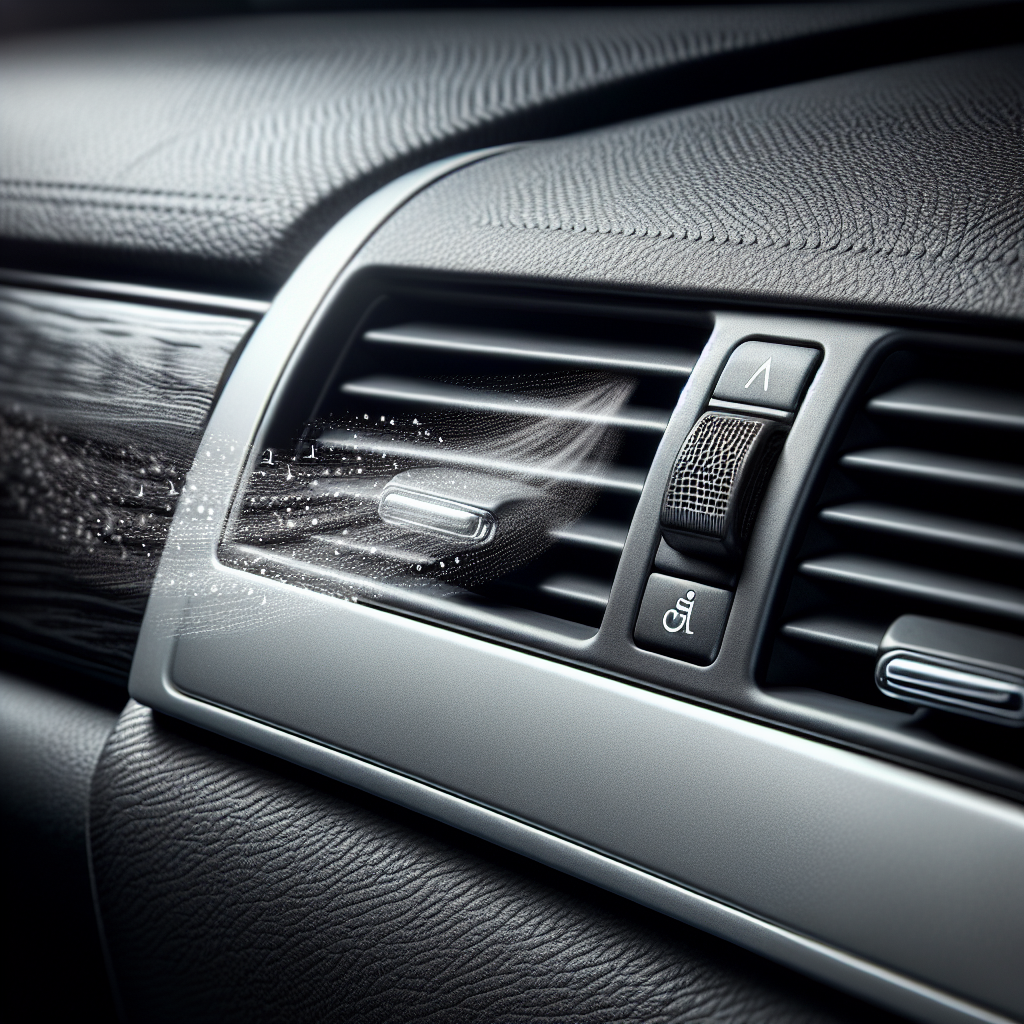
Steam Cleaning and Hot Water Extraction
Advantages of Steam Cleaning
Steam cleaning is an effective method for mold removal due to its ability to penetrate deep into surfaces and kill mold spores. It uses hot water vapor to sanitize and disinfect various materials and eliminate mold effectively. Steam cleaning is eco-friendly and does not require the use of harsh chemicals, making it a safer option for both you and the environment.
Process of Steam Cleaning
To steam clean your car's interior, start by thoroughly vacuuming the surfaces to remove any loose debris. Next, use a steam cleaner or a portable handheld steam device specifically designed for automotive use. Follow the manufacturer's instructions and carefully apply steam to the affected areas, focusing on any visible mold spots or high-moisture areas. After steaming, wipe the surfaces with a clean cloth to remove any loosened debris and excess moisture.
Hot Water Extraction Method
Hot water extraction is another effective method for mold removal, particularly for upholstered surfaces and carpets. This method involves using a specialized machine that injects hot water and cleaning solution into the fabric, agitates the surface, and then extracts the dirt, moisture, and mold spores. Hot water extraction not only removes mold but also helps restore the appearance of the affected materials.
Precautions and Considerations
When using steam cleaning or hot water extraction methods, it's essential to follow safety guidelines and recommendations provided by the equipment manufacturer. Ensure proper ventilation in your car during the process, as excess moisture can lead to further mold growth. Allow sufficient time for the interior to dry completely before closing the doors and windows. If you're unsure about using these methods yourself, considering hiring a professional steam cleaning service that specializes in automotive cleaning.

Using Vinegar and Baking Soda for Mold Removal
Why Vinegar and Baking Soda Are Effective
Vinegar and baking soda are natural and effective alternatives to harsh chemicals for mold removal. They have antimicrobial properties that can help kill mold spores and prevent further growth. Vinegar is acidic and can break down mold cells, while baking soda acts as a natural deodorizer and can absorb moisture.
Creating a Vinegar Solution
To create a vinegar solution for mold removal, mix equal parts of distilled white vinegar and water. Pour this solution into a spray bottle for easy application. Distilled white vinegar is preferable as it does not contain any additives or coloring agents that may stain or damage surfaces.
Applying Vinegar Solution
Spray the vinegar solution directly onto the mold-affected areas, ensuring thorough coverage. Let the solution sit for about an hour to allow the vinegar to penetrate and kill the mold spores. Afterward, scrub the treated areas with a brush or sponge to loosen any remaining mold. Wipe away the loosened mold and excess moisture with a clean cloth or sponge.
Using Baking Soda as a Natural Cleaner
Baking soda can be used as a natural cleaner and deodorizer to help eliminate mold and remove any lingering odors. Sprinkle baking soda onto the affected surfaces and let it sit for several hours or overnight. The baking soda will absorb moisture and odors. Afterward, vacuum or brush away the baking soda residue.
Procedure for Baking Soda Application
To apply baking soda, make sure the affected areas are dry. Sprinkle a generous amount of baking soda over the mold spots and surrounding area. Use a brush or sponge to gently work the baking soda into the surface, focusing on any visible mold spots. Allow the baking soda to sit for at least a few hours or overnight. Finally, vacuum or brush away the baking soda residue and inspect for any remaining mold.
Professional Mold Removal Services
When to Consider Professional Help
While many mold removal methods can be done independently, some situations may require the expertise and tools of professional mold remediation companies. If you have a severe mold infestation, extensive damage, or if the mold keeps returning despite your best efforts, it's advisable to seek professional help. Additionally, if you have health conditions that can be exacerbated by mold exposure, consulting professionals is crucial to ensure your safety.
Benefits of Hiring Professionals
Hiring professional mold removal services offers several benefits. Professionals have the necessary knowledge, expertise, and specialized equipment to effectively remove mold and restore your car's interior. They can assess the extent of mold damage, identify underlying causes, and implement comprehensive remediation plans. Professionals also follow industry-standard protocols to ensure proper containment of mold spores and prevent cross-contamination.
Finding a Reputable Mold Remediation Company
When choosing a mold remediation company, it's important to do thorough research and ensure they have reputable credentials. Look for companies with certifications and licenses, such as the Institute of Inspection, Cleaning and Restoration Certification (IICRC) or the National Association of Mold Remediators and Inspectors (NAMRI). Read online reviews and testimonials to gauge their customer satisfaction rates. Asking for recommendations from friends or family who have dealt with mold issues before can also be helpful.
Costs and Factors to Consider
The cost of professional mold removal services can vary depending on factors such as the severity of the mold infestation, the size of the affected area, and the extent of damage. It's advisable to request multiple quotes from different mold remediation companies to compare prices and services offered. Additionally, consider the company's reputation, guarantees or warranties provided, and the level of customer support they offer before making a decision.
Restoring and Preventing Future Mold Growth
Drying and Ventilating the Car
After addressing mold issues in your car, it's crucial to establish proper drying and ventilation practices to prevent future mold growth. Keep your car properly ventilated by regularly opening doors and windows to allow fresh air to circulate. If possible, park your car in a covered, well-ventilated area to reduce moisture accumulation. Use a moisture-absorbing product such as silica gel packs or desiccant bags to absorb excess moisture.
Replacing Damaged Materials
In severe cases where mold has caused irreparable damage to materials in your car, such as upholstery, carpets, or insulation, it may be necessary to replace those materials. Consult with professionals or automotive experts to determine the extent of damage and identify suitable replacement options. By replacing damaged materials, you can remove potential hidden mold sources and ensure a clean and mold-free interior.
Using Mold-Resistant Products
To further prevent mold growth, consider using mold-resistant products and materials in your car's interior. Mold-resistant fabrics, carpets, and upholstery are designed to resist the growth of mold and mildew. These products have antimicrobial treatments or coatings that inhibit mold growth, making them an excellent preventive measure against future infestations.
Regular Cleaning and Maintenance
Maintaining a regular cleaning and maintenance routine for your car is essential in preventing mold growth. Vacuum the interior frequently to remove dirt, debris, and potential mold spores. Wipe down surfaces with a damp cloth and mild detergent to discourage mold growth. Pay attention to high-moisture areas, such as the trunk or the floor mats, and ensure they are thoroughly dried after any potential water exposure.
Monitoring Humidity Levels
Monitoring and controlling humidity levels in your car can significantly prevent mold growth. Invest in a portable humidity monitor or hygrometer to regularly check the humidity levels inside your car. Ideally, the humidity should be kept below 50% to inhibit mold growth. If you notice consistently high humidity levels, consider using a dehumidifier or moisture-absorbing products to help maintain a drier environment.
Safety Precautions and Protective Measures
Wearing Protective Gear
When dealing with mold removal, it's important to prioritize your safety by wearing appropriate protective gear. This includes gloves, safety goggles, a face mask, and even a disposable coverall or protective clothing. Mold spores can cause respiratory issues and skin irritations, so wearing protective gear can help minimize exposure and prevent potential health risks.
Proper Ventilation
Proper ventilation is crucial during the mold removal process to prevent the accumulation of mold spores and excess moisture in the air. Open doors and windows to facilitate air circulation. If possible, use fans to increase airflow and expedite the drying process. Ensure that the area you are working in has sufficient ventilation to mitigate health risks and prevent the spread of mold spores.
Safe Handling of Cleaning Solutions
When using cleaning solutions, such as vinegar or anti-fungal products, it's important to handle them safely. Follow the instructions provided by the manufacturer, including any recommended safety precautions. Avoid mixing different cleaning solutions, as they may produce harmful fumes. Store cleaning solutions out of reach of children and pets, and properly dispose of any leftover or expired products according to local regulations.
Disposing of Contaminated Materials
During the mold removal process, it's crucial to properly dispose of any contaminated materials, such as cleaning cloths or sponges. Mold spores can easily transfer from these materials to other areas, potentially causing further mold growth. Double-bag and seal any materials that have come into contact with mold and dispose of them appropriately. If you're unsure about proper disposal methods, consult local waste management guidelines.
Dealing with Persistent Mold Issues
Identifying Underlying Causes
If you're facing persistent mold issues in your car despite implementing various cleaning and preventive measures, it's important to identify the underlying causes. Common underlying causes include water leaks, excessive humidity, or areas of your car that are difficult to clean or dry thoroughly. Identifying and addressing these underlying causes is crucial to effectively remediate mold and prevent future infestations.
Seeking Professional Assessment
In cases of persistent mold issues or if you're unable to identify the underlying causes, it's advisable to seek professional assessment. Mold experts can conduct thorough inspections, identify hidden mold sources, and assess any structural issues that may contribute to mold growth. Their expertise and specialized equipment can provide valuable insights and recommendations for addressing persistent mold problems.
Addressing Structural Issues
If structural issues, such as leaks or damaged seals, are contributing to mold growth in your car, it's important to address them promptly. These issues allow moisture to enter and accumulate, creating an environment conducive to mold growth. Consult with automotive professionals or contact the car manufacturer for guidance on repairing or replacing damaged seals, weather stripping, or other structural components.
Implementing Advanced Remediation Methods
In severe cases of persistent mold growth, advanced remediation methods may be necessary. These methods include fogging, ozone treatment, or even replacing certain components of your car's interior. Advanced remediation methods should be carried out by professionals experienced in mold remediation to ensure effective and safe results. They can help eliminate persistent mold issues and restore your car to a clean and healthy condition.

Preventing Mold Growth in Car Interiors
Regular Maintenance and Cleaning
Regular maintenance and cleaning are crucial for preventing mold growth in car interiors. Establish a routine of cleaning and vacuuming the interior at least once a month. Remove any debris, food particles, or moisture sources that can contribute to mold growth. By keeping your car clean and free from potential mold food sources, you significantly reduce the risk of mold infestation.
Using Car Covers
Using car covers can provide an additional layer of protection against mold growth. A car cover acts as a barrier against outside elements, including moisture, dust, and debris. Choose a car cover that is breathable and specifically designed for your car model to prevent condensation or trapping of moisture. Regularly remove the car cover to allow for proper ventilation and inspect for any signs of moisture or mold growth.
Avoiding Food and Beverage Spills
Spills of food or beverages in your car can contribute to mold growth. Ensure that you and your passengers consume food or drinks in designated areas outside the car to minimize the risk of spills. If any spills do occur, promptly clean and dry the affected area to prevent mold from forming. Use absorbent materials, such as paper towels or microfiber cloths, to soak up any liquids and follow up with proper cleaning and drying.
Keeping Moisture in Check
Controlling moisture levels in your car is essential for preventing mold growth. Avoid leaving wet or damp items in your car, including wet clothing, towels, or sports equipment. If you encounter rain or snow, promptly dry any surfaces that may have become wet. Use moisture-absorbing products, such as desiccant bags or moisture absorbers, to reduce excess moisture in the air. Regularly check for any signs of moisture accumulation and address them promptly.
Storing the Car in Dry Environments
When not in use, it's advisable to store your car in a dry environment. Choose a covered parking spot or garage that provides protection from rain, snow, and excessive humidity. Ensure proper ventilation in the storage area to prevent trapped moisture. If you live in an area with high humidity, consider using a dehumidifier in the storage space to maintain optimal humidity levels and discourage mold growth.
By following these preventive measures and taking proactive steps to address mold growth in your car, you can maintain a clean and mold-free interior. Regular cleaning, proper moisture control, and prompt remediation of any mold issues will help ensure a healthy environment for you and your passengers during every car journey.


Comments
Post a Comment