Effective Methods to Remove Mold from Plant Soil
Do you love having plants around your home, but have noticed mold growing on the soil? Don't fret, as we have some effective methods to help you tackle this problem. Mold can not only be unsightly, but it can also harm the health of your plants. In this article, we will explore some simple yet powerful ways to remove mold from plant soil, allowing your beloved plants to thrive in a healthy and mold-free environment. So, let's get started and say goodbye to mold once and for all!
Understanding Mold on Plant Soil
What is mold?
Mold refers to a type of fungus that commonly grows on plant soil. It appears as a fuzzy or powdery substance that can range in color from white to black. Mold thrives in damp and humid conditions, using organic matter in the soil as a food source. While some types of mold are harmless, others can pose a threat to the health and growth of your plants.
Causes of mold on plant soil
The presence of mold on plant soil is often a result of excessive moisture and poor ventilation. Overwatering your plants can create a damp environment that is conducive to mold growth. Additionally, inadequate drainage and lack of airflow around the plant can contribute to the accumulation of moisture and promote mold development.
Adverse effects of mold on plants
Mold can have detrimental effects on the health and vitality of your plants. It can hinder their growth by inhibiting nutrient absorption and root development. Furthermore, mold spores released into the air can cause respiratory issues and allergies in humans and pets. Additionally, some types of mold produce mycotoxins, which are toxic substances that can harm plants and other organisms.
Preventing Mold on Plant Soil
Proper watering techniques
One of the key factors in preventing mold on plant soil is adopting proper watering techniques. Avoid overwatering your plants and ensure that the soil has adequate drainage. Before watering, check the moisture level of the soil using your finger or a moisture meter. Water the plants only when the top inch of soil feels dry to the touch.
Improving drainage
Improving the drainage of your plant's soil is crucial for preventing mold growth. Ensure that the pots or containers have drainage holes to allow excess water to escape. Using a well-draining soil mixture that includes materials like perlite or vermiculite can also enhance the drainage capacity of the soil.
Maintaining proper ventilation
Proper ventilation is essential to discourage mold growth on plant soil. Ensure that there is adequate airflow around your plants by arranging them in a way that allows air to circulate freely. Placing them near windows or using fans to create air movement can help prevent the accumulation of excess moisture.
Using sterilized pots and soil
Using sterilized pots and soil can help reduce the chances of mold contamination. Before planting, sterilize the pots and containers by washing them with a mild bleach solution or using hot water. Similarly, opt for sterile soil or sterilize the soil yourself by baking it in the oven at a temperature of 180°F (82°C) for at least 30 minutes.
Introducing beneficial microbes
Introducing beneficial microbes to your plant's soil can help create an environment that is less favorable for mold growth. These beneficial microbes, such as certain strains of bacteria and fungi, compete with mold for resources and create a healthy balance in the soil ecosystem. You can find specialized microbial products at gardening stores that can be applied to the soil.
Identifying Mold on Plant Soil
Visual appearance
Mold on plant soil often appears as a fuzzy or powdery substance. It can be white, gray, green, brown, or black in color, depending on the type of mold. The mold may cover the entire surface of the soil or form patches in specific areas.
Distinctive odor
Mold-infested soil can emit a distinctive musty or earthy odor. If you notice an unpleasant smell coming from your plant's soil, it is likely an indication of mold growth.
Root discoloration
In some cases, mold growth on plant soil can cause discoloration of the roots. The roots may appear brown, black, or have a slimy texture. Root discoloration can be a sign of advanced mold infestation and may require immediate attention.
Mold types commonly found on plant soil
Several types of mold are commonly found on plant soil, including white mold (Sclerotinia), green mold (Trichoderma), and black mold (Stachybotrys). Each type has its own distinct characteristics and potential effects on plant health.
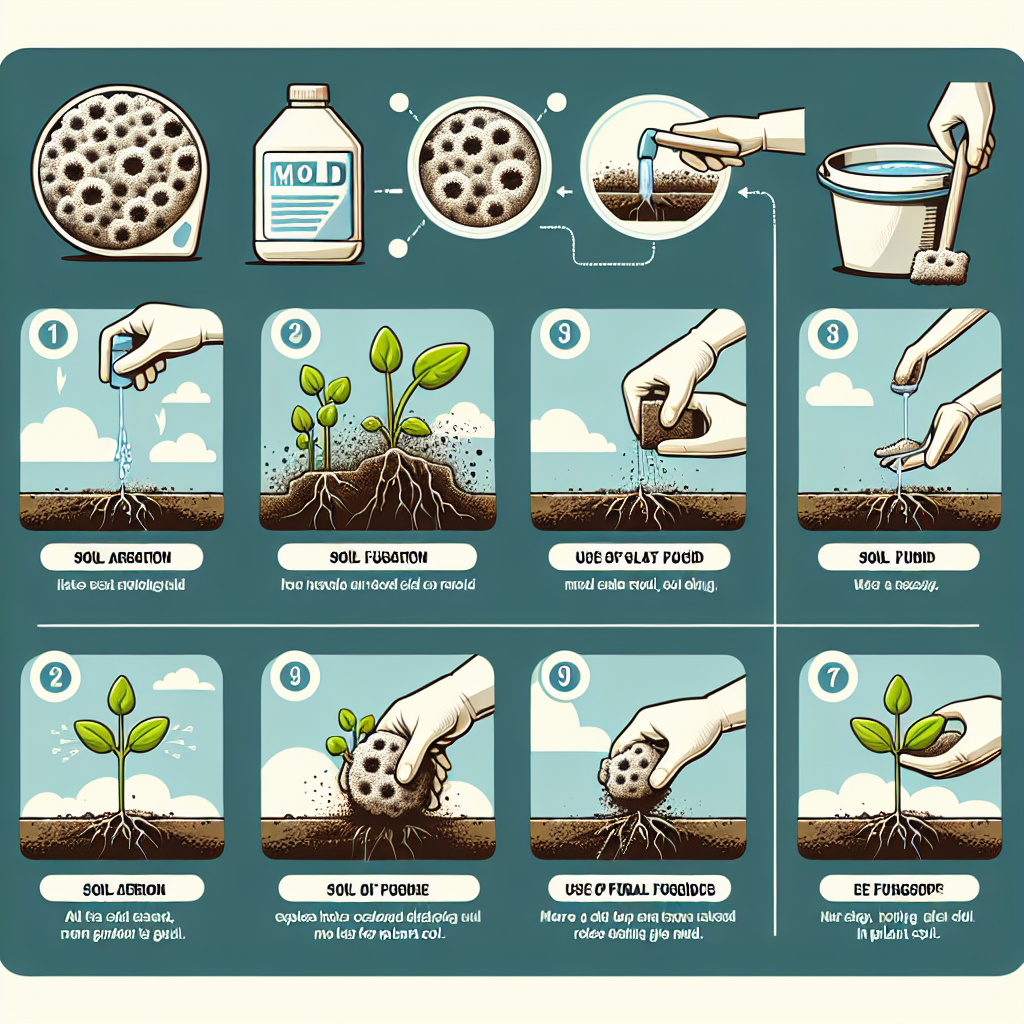
Safe Removal of Mold from Plant Soil
Wearing protective gear
Before attempting to remove mold from plant soil, it is important to take necessary precautions. Wear gloves, a mask, and protective eyewear to minimize exposure to mold spores and prevent any potential allergic reactions.
Isolating the affected plant
Isolate the affected plant to prevent the spread of mold spores to other plants. Place the plant in a separate area or room until the mold has been effectively removed.
Removing the top layer of soil
Start by removing the top layer of mold-infested soil. Use a spoon or a trowel to carefully scoop out the affected soil and dispose of it in a sealed plastic bag.
Treating the remaining soil
After removing the top layer of soil, treat the remaining soil to eliminate any remaining mold spores. Several natural remedies, such as vinegar, baking soda, hydrogen peroxide, cinnamon, grapefruit seed extract, or neem oil, can be effective in this process.
Using natural remedies
Natural remedies like vinegar, baking soda, hydrogen peroxide, cinnamon, grapefruit seed extract, and neem oil can be used to treat the remaining soil. These remedies have antifungal properties that can help eliminate mold spores and inhibit further growth.
Commercial fungicides
If natural remedies are not effective, you may consider using commercial fungicides specifically formulated for mold on plant soil. Read the labels carefully and choose a product that is safe for plants. Follow the instructions provided by the manufacturer to ensure safe and effective application.
Using Natural Remedies to Remove Mold
Vinegar
Vinegar is a natural and versatile solution that can be used to remove mold from plant soil. Mix equal parts of white vinegar and water in a spray bottle and mist the affected soil. The acetic acid in vinegar helps kill mold spores and prevent further growth.
Baking soda
Baking soda is another effective natural remedy for mold removal. Mix two teaspoons of baking soda with one quart of water and spray it onto the affected soil. Baking soda helps regulate the pH balance of the soil, making it less favorable for mold growth.
Hydrogen peroxide
Hydrogen peroxide is a powerful antifungal agent that can effectively eliminate mold on plant soil. Mix one part hydrogen peroxide with three parts water and apply it to the affected soil. Allow it to sit for a few minutes before rinsing it off with water.
Cinnamon
Cinnamon has natural antifungal properties that can help eradicate mold from plant soil. Sprinkle ground cinnamon directly onto the affected soil and gently mix it in. Cinnamon also acts as a natural deterrent, preventing mold spores from germinating.
Grapefruit seed extract
Grapefruit seed extract is an effective natural fungicide that can effectively combat mold on plant soil. Mix a few drops of grapefruit seed extract with water and apply it to the affected soil. Repeat the application every few days until the mold is completely eradicated.
Neem oil
Neem oil is a botanical fungicide that can assist in removing mold from plant soil. Dilute neem oil according to the instructions on the product label and apply it to the affected soil. Neem oil not only eliminates mold but also acts as a preventive measure against future infestations.
Applying Commercial Fungicides
Choosing the right fungicide
When opting for commercial fungicides, it is essential to choose a product that is specifically designed to treat mold on plant soil. Read the label carefully to ensure that the fungicide is suitable for your plant type and follow the instructions provided.
Following instructions
Carefully follow the instructions on the fungicide packaging for the correct dosage and application method. Applying too much fungicide or using it improperly can harm your plants or be ineffective in treating the mold.
Applying directly to soil
Apply the fungicide directly to the soil following the instructions provided. Ensure that the entire affected area is properly treated. Avoid contact with the plant foliage and rinse any accidental splashes immediately.
Precautions and safety measures
When using commercial fungicides, it is crucial to take precautions to protect yourself and the environment. Wear protective gear, such as gloves and a mask, to avoid direct contact with the fungicide. Keep children and pets away from the treated area until it is safe.
Proper Disposal of Contaminated Soil
Sealing in a plastic bag
To prevent the spread of mold spores, carefully seal the mold-infested soil in a durable plastic bag. Make sure the bag is strong enough to contain the soil without any leaks.
Tightly securing the bag
Make sure the plastic bag is tightly secured to prevent any accidental spills or opening. Use twist ties or secure the bag with strong adhesive tape to ensure it remains sealed during transportation.
Discarding in appropriate waste management facilities
Dispose of the sealed bag containing the contaminated soil in accordance with your local waste management guidelines. Contact your local authorities or waste management facilities to determine the appropriate disposal method for mold-infested soil.
Preventing Mold Recurrence
Regularly inspecting plant soil
Regularly inspect your plant soil to detect any signs of mold growth early on. Check the surface of the soil, as well as the underside of leaves and the pot's drainage holes. Early detection allows for prompt action and prevents the spread of mold.
Avoiding overwatering
Overwatering is a common cause of mold growth on plant soil. Ensure that you water your plants appropriately by checking for soil moisture levels before watering. Adjust your watering schedule based on the specific needs of each plant.
Promoting proper air circulation
Good air circulation is crucial in preventing mold on plant soil. Position your plants in an area that allows for adequate airflow. You can also use fans or open windows to promote air circulation around your plants.
Maintaining and cleaning gardening tools
Proper maintenance and regular cleaning of gardening tools are essential in preventing mold recurrence. Clean tools with a mild bleach solution or hot soapy water after each use to remove any potential mold spores.
Correct use of fertilizers
Avoid overusing fertilizers as excessive nutrients can create an environment where mold thrives. Follow the recommended dosage guidelines for fertilizers and avoid applying them directly to the soil surface.
Introducing natural mold inhibitors
Introduce natural mold inhibitors into your plant soil to create an unfavorable environment for mold growth. Examples include crushed eggshells, activated charcoal, or even coffee grounds. These natural substances help absorb excess moisture and inhibit mold development.
Seeking Professional Help
When to consult a plant specialist
If you have tried various methods to remove mold from your plant soil without success, it may be time to consult a plant specialist. They can identify the specific type of mold, diagnose any underlying issues, and provide tailored solutions to eradicate the mold and prevent its recurrence.
Benefits of professional assistance
Professional assistance can provide peace of mind, especially if you are unsure about how to effectively remove mold from your plant soil. Plant specialists have the expertise and experience to handle mold-related issues and can provide insights into plant care practices to prevent future mold infestations.
Follow-up care and maintenance
After seeking professional help, it is important to follow any recommended care and maintenance practices to prevent mold recurrence. This may include adjusting watering techniques, improving ventilation, or implementing specific plant care routines. Regular follow-ups with the plant specialist can ensure ongoing support and guidance.
Conclusion
Understanding mold on plant soil is crucial for maintaining the health and well-being of your plants. By following preventive measures, identifying mold growth, safely removing it, and implementing natural remedies or commercial fungicides, you can effectively eliminate mold and promote a thriving plant environment. Remember to practice proper disposal of contaminated soil, take steps to prevent mold recurrence, and seek professional assistance as needed. With a little knowledge and effort, you can ensure your plants thrive in a mold-free environment.


Comments
Post a Comment